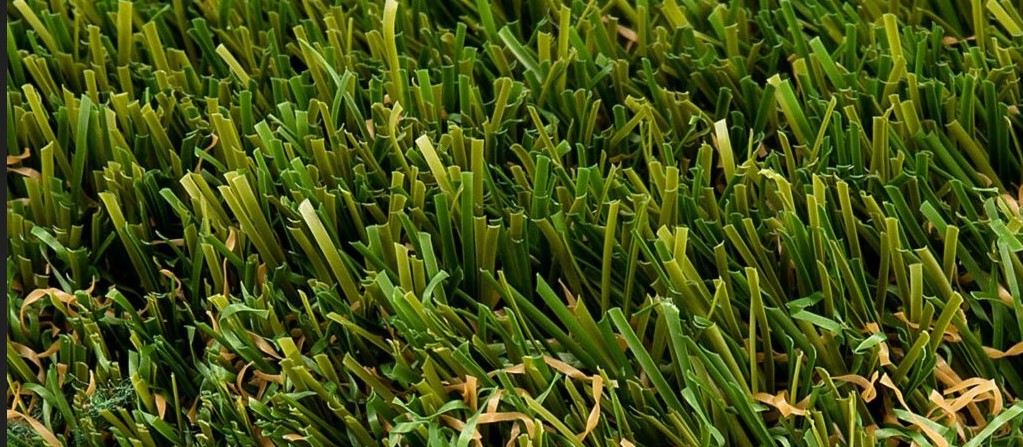
Artificial grass has become an increasingly popular alternative to natural turf in sports facilities, landscaping projects and residential outdoor spaces.
Modern artificial grass combines an attractive appearance with practical benefits, making it suitable for a wide range of applications.
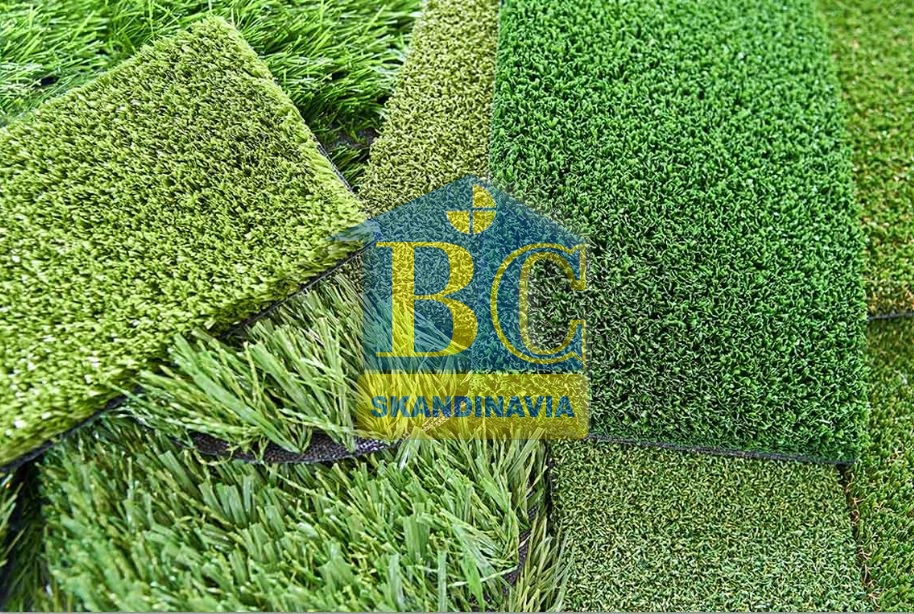
However, not all artificial grass products are the same. Material composition, fibre structure, durability and drainage performance all influence the suitability of a product.
At B&C Skandianavia Sport, we believe that understanding these differences is the first step towards choosing the right artificial grass.
The materials used during manufacturing have a significant impact on the performance and appearance of artificial grass.
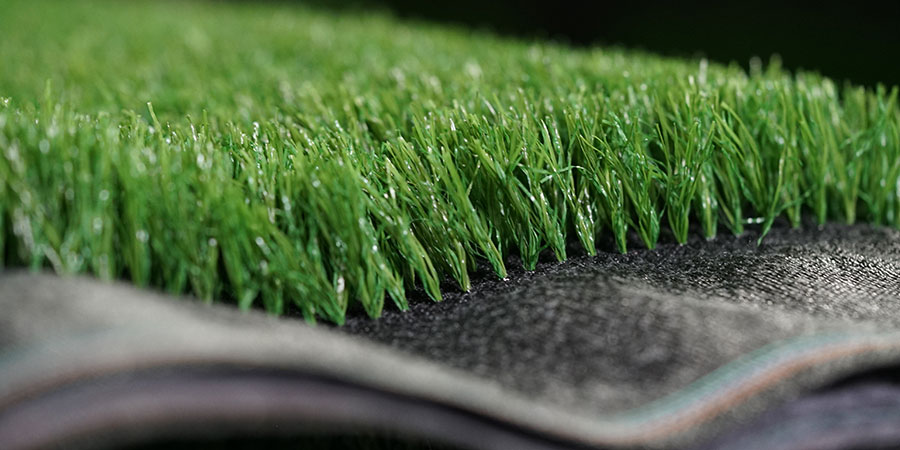
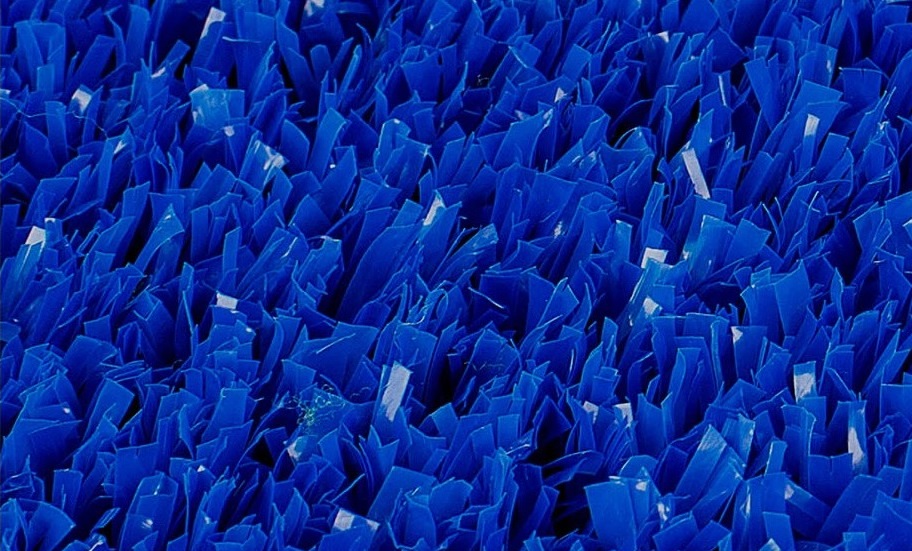
Polyethylene is one of the most commonly used materials in artificial grass production. It is known for its soft texture, flexibility and natural appearance.
Its main advantages include:
A realistic grass-like appearance.
Soft and flexible fibres.
Comfortable surface characteristics.
Versatility across different applications.
Polyethylene artificial grass is widely used in football fields, gardens and landscaping projects.
Polypropylene is another synthetic material used in artificial grass manufacturing.
It is often considered for more economical applications. Compared with polyethylene, it generally has a stiffer fibre structure and different durability characteristics.
It can be suitable for decorative installations and areas with relatively light foot traffic.
Different environments require different technical characteristics. Choosing artificial grass according to its intended purpose helps ensure better performance and long-term value.
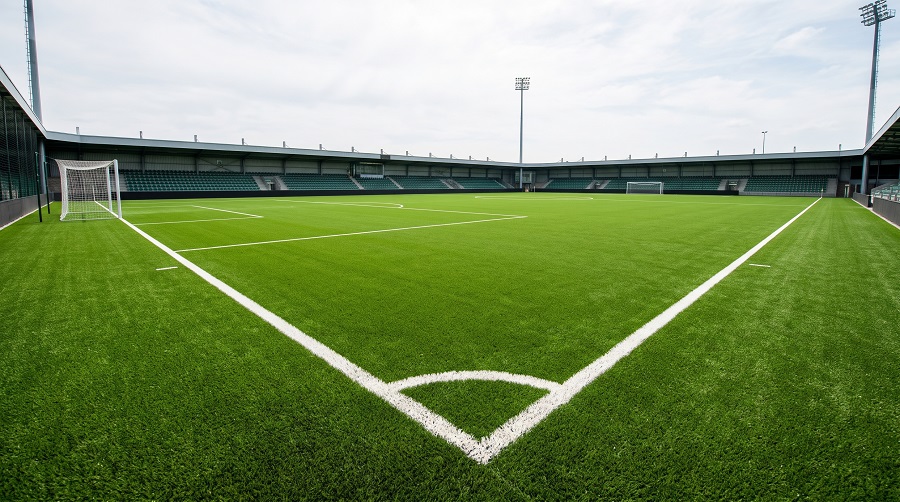
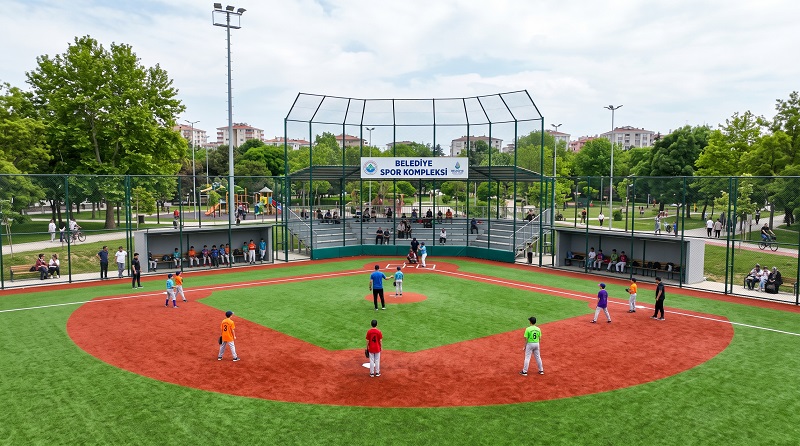
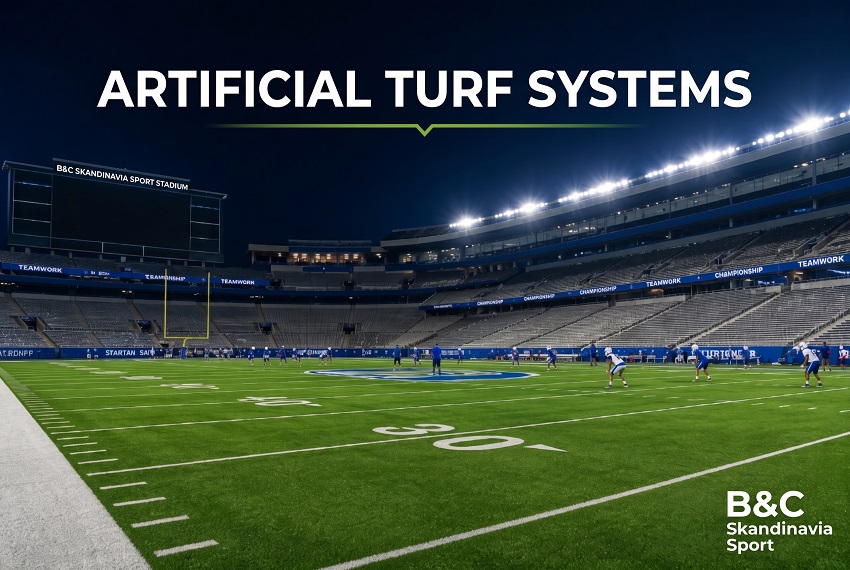
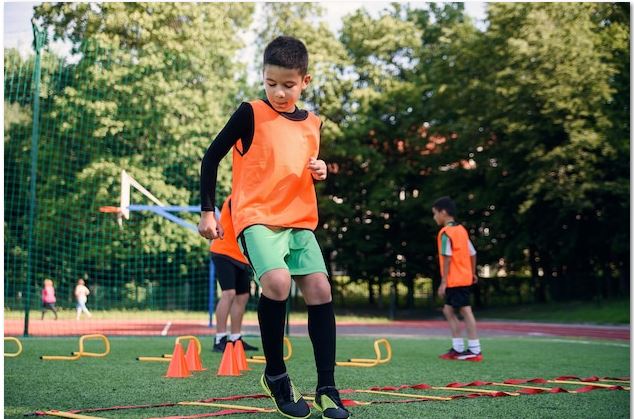
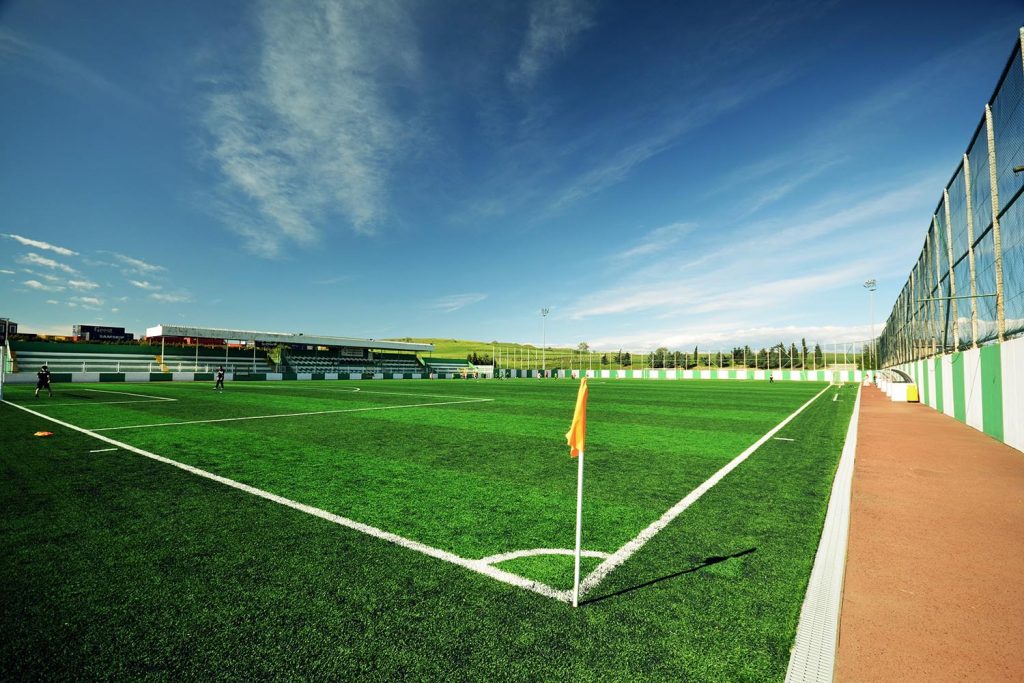
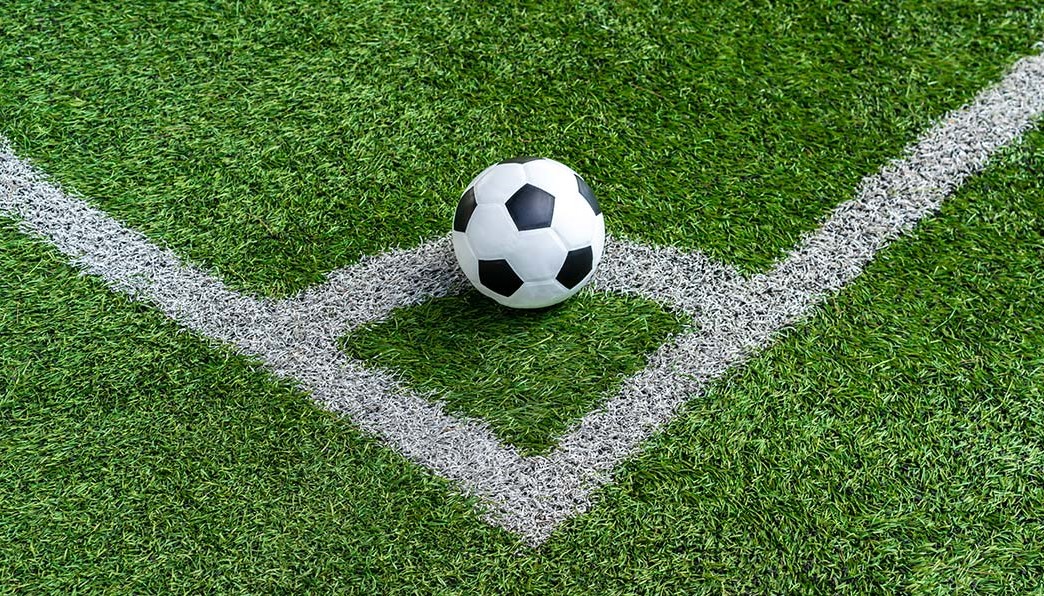
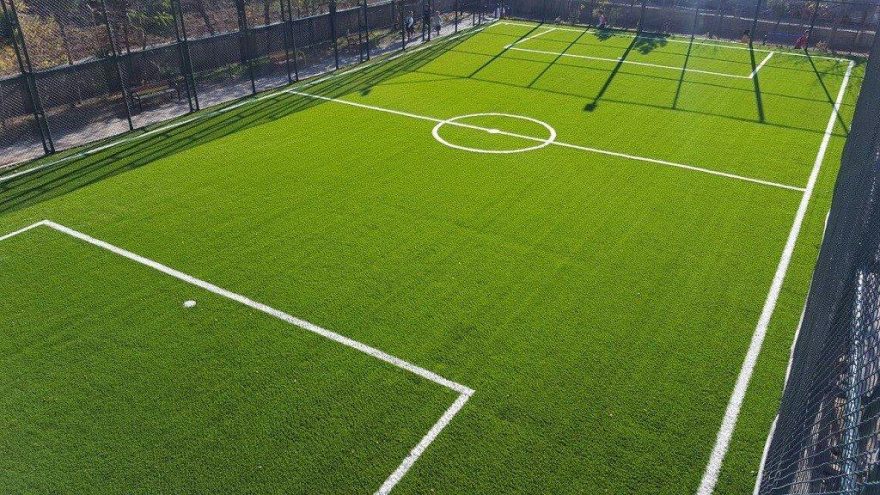
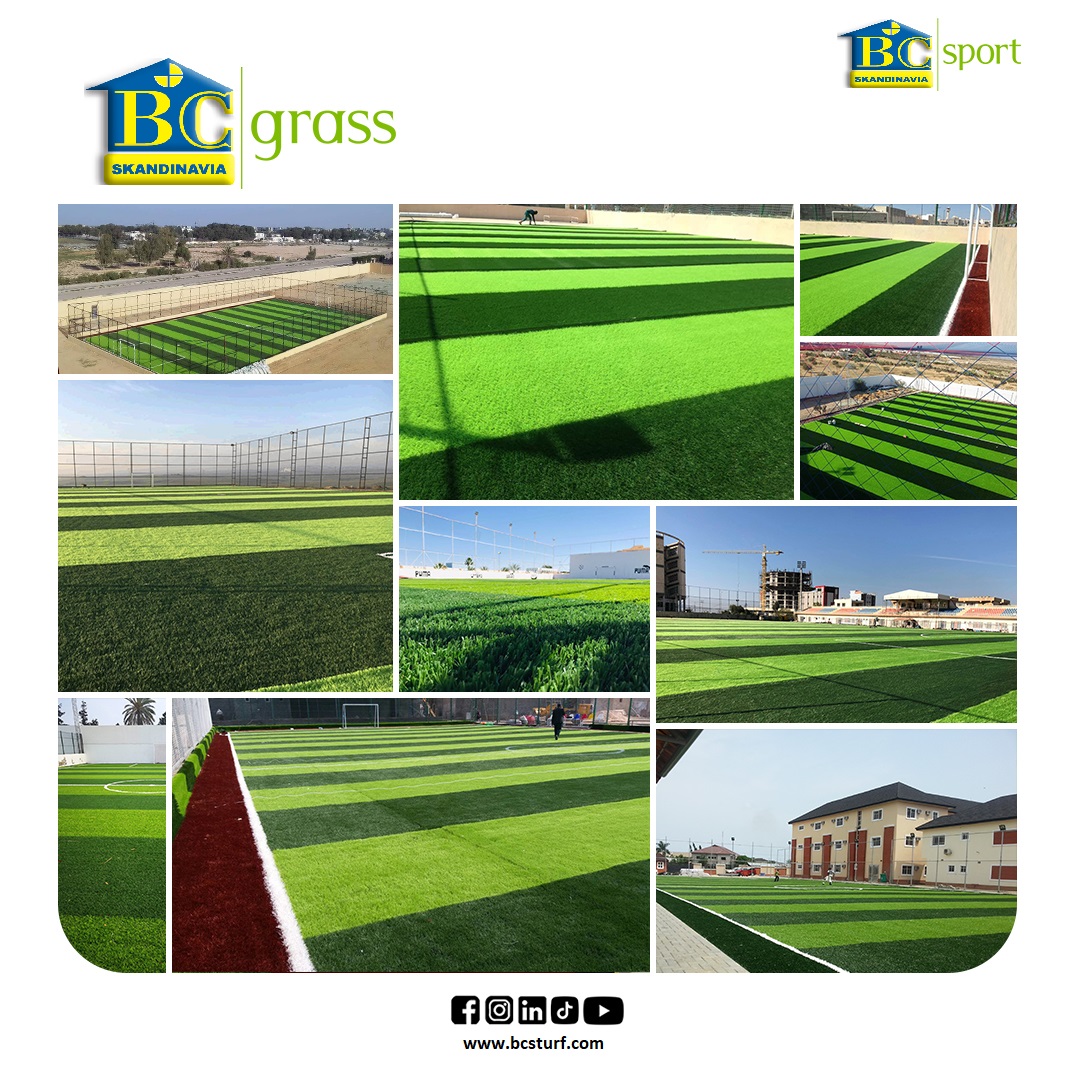
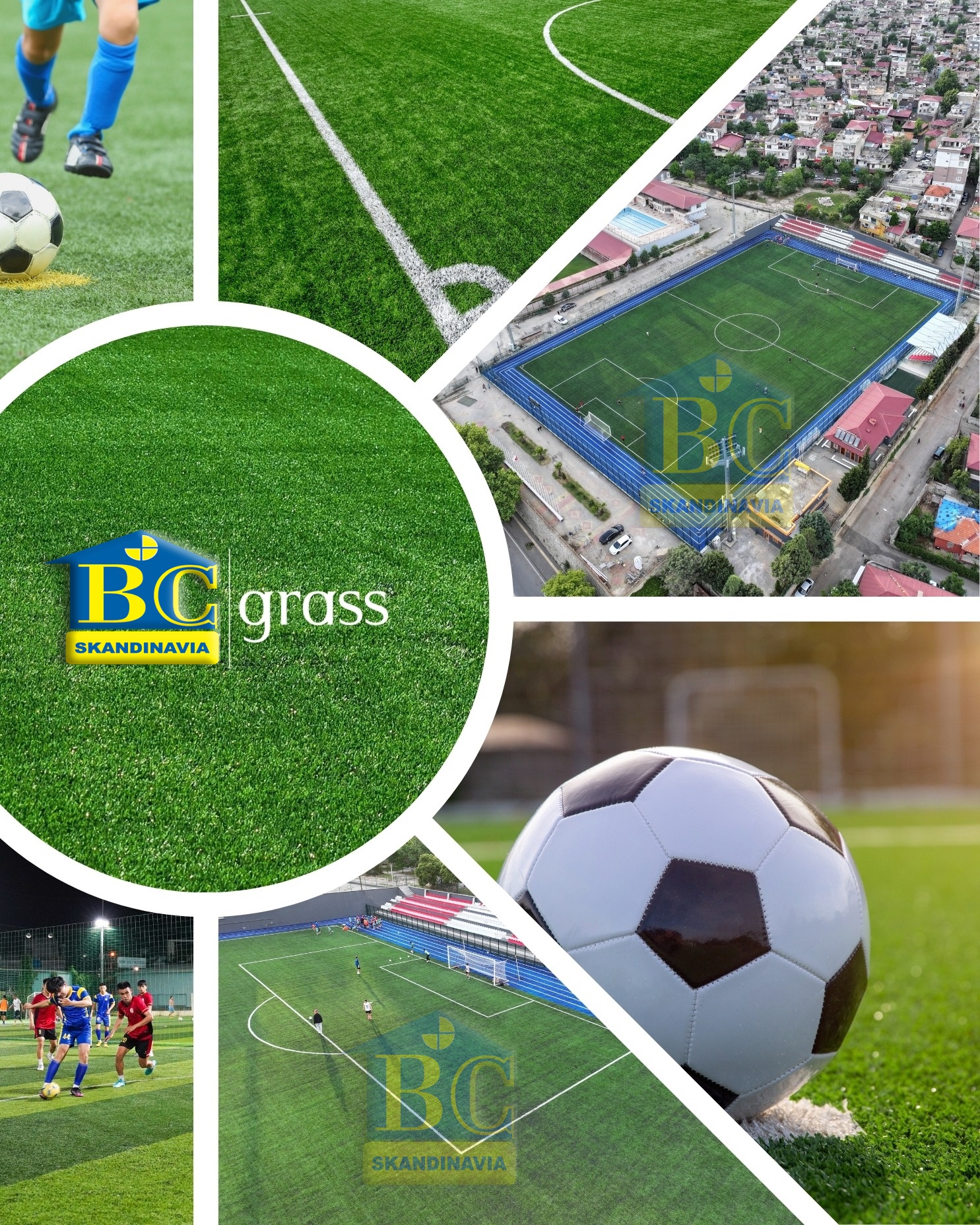
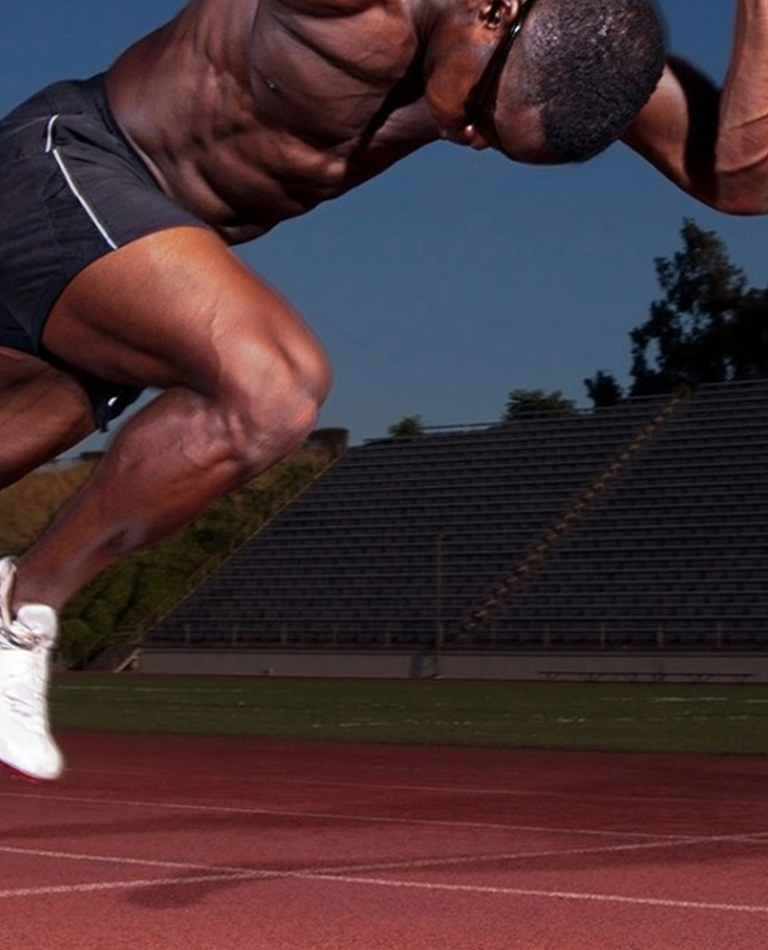
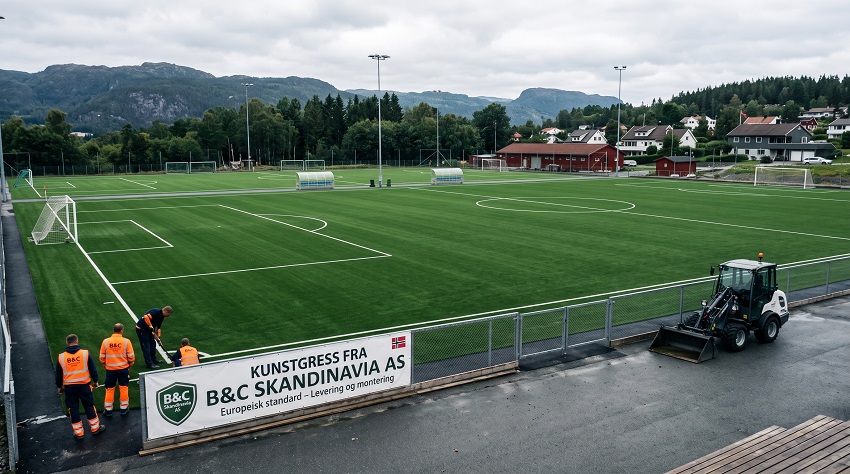
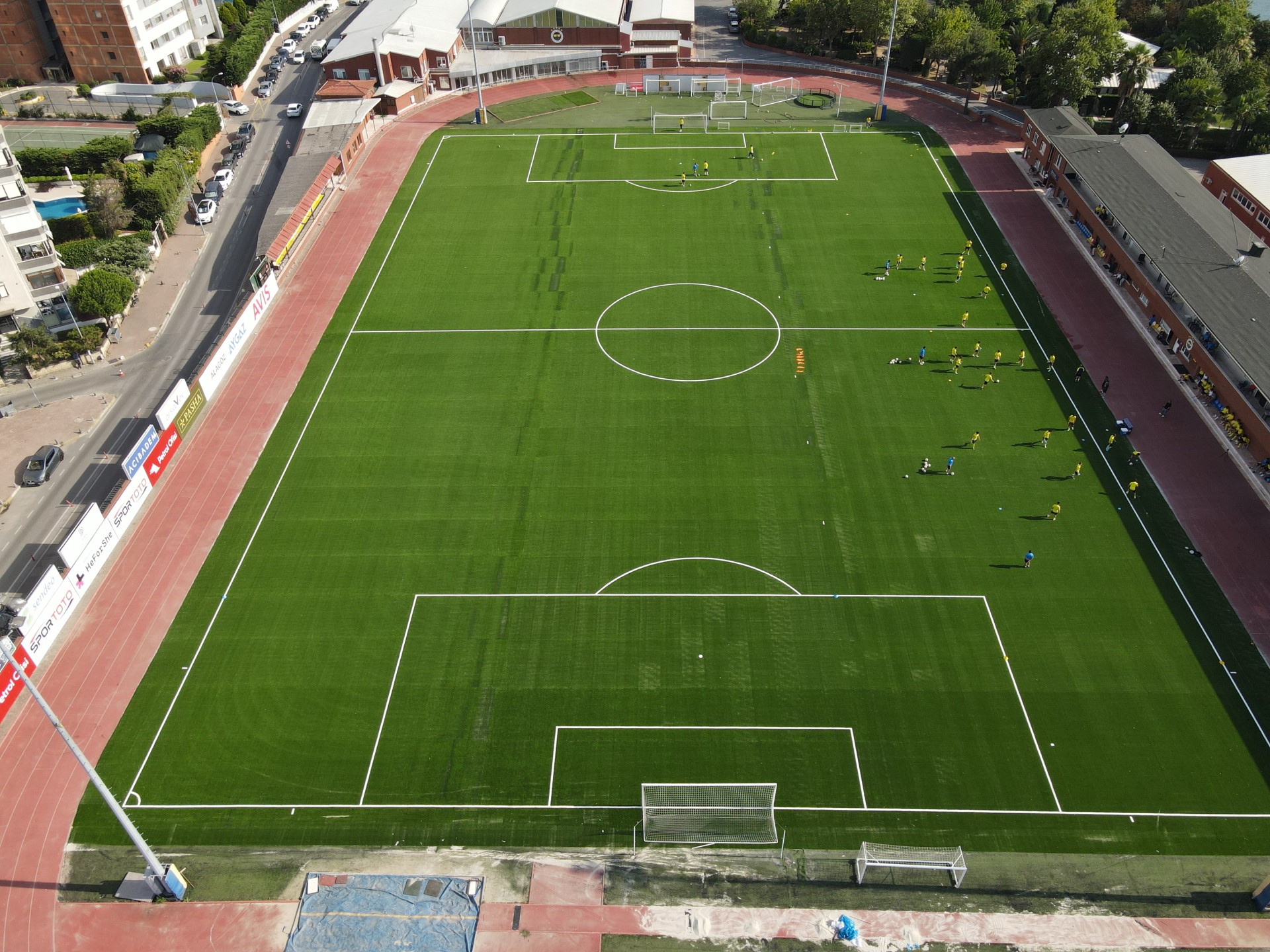
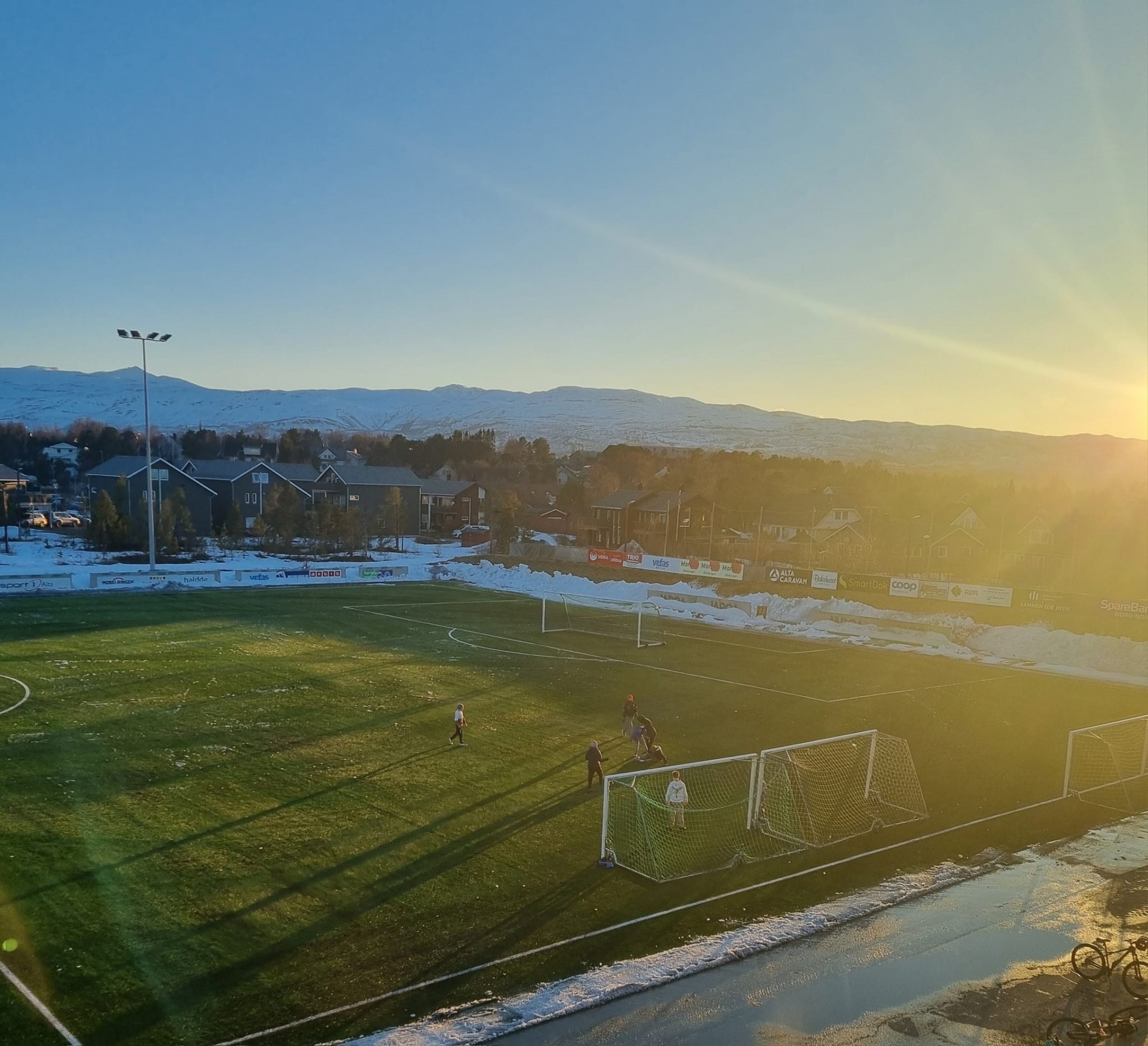
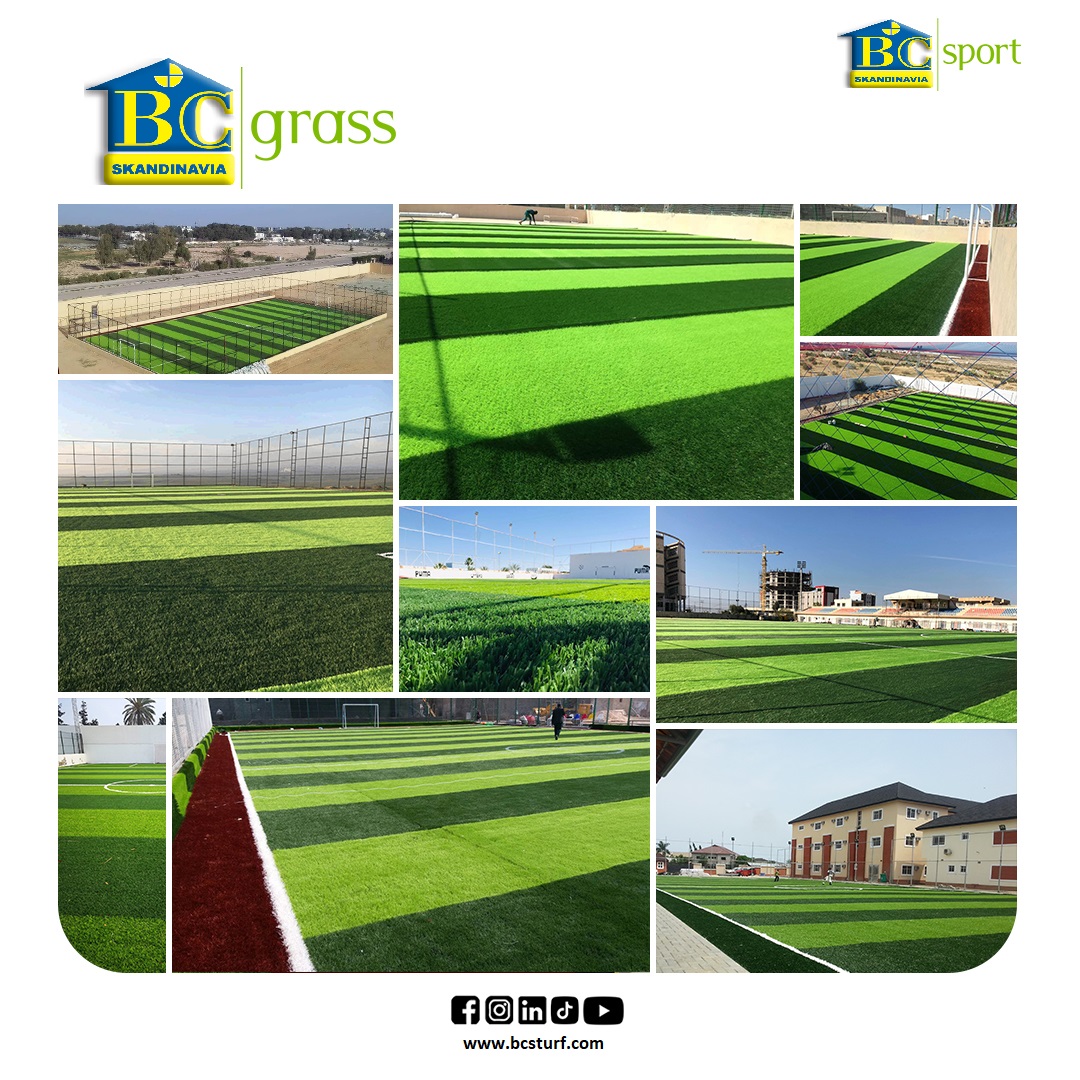
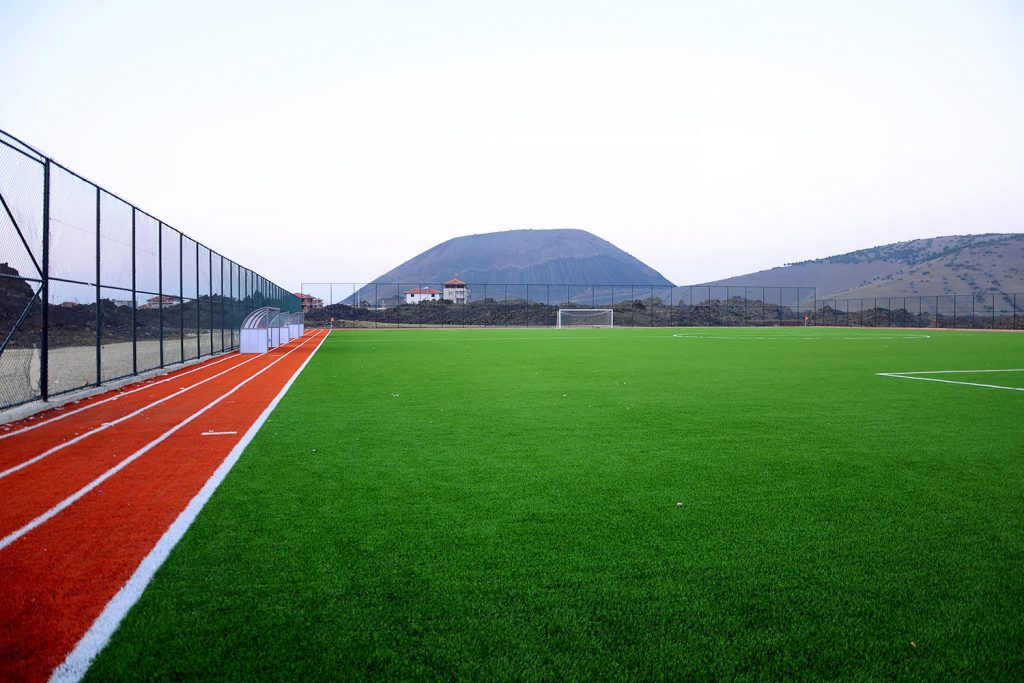
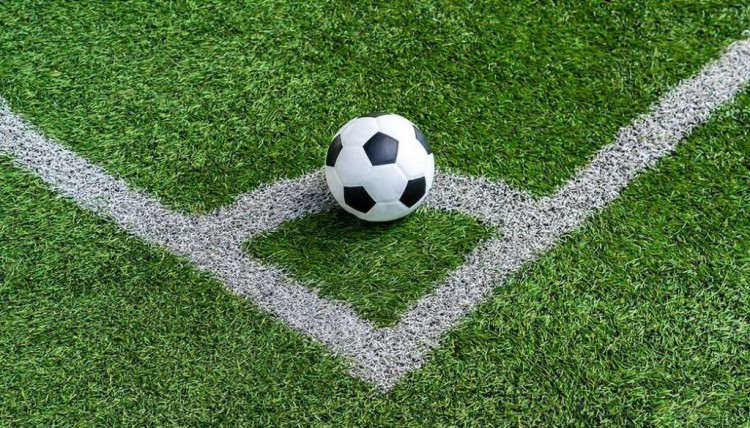
Football pitches require durable surfaces designed to withstand regular training sessions and intensive gameplay.
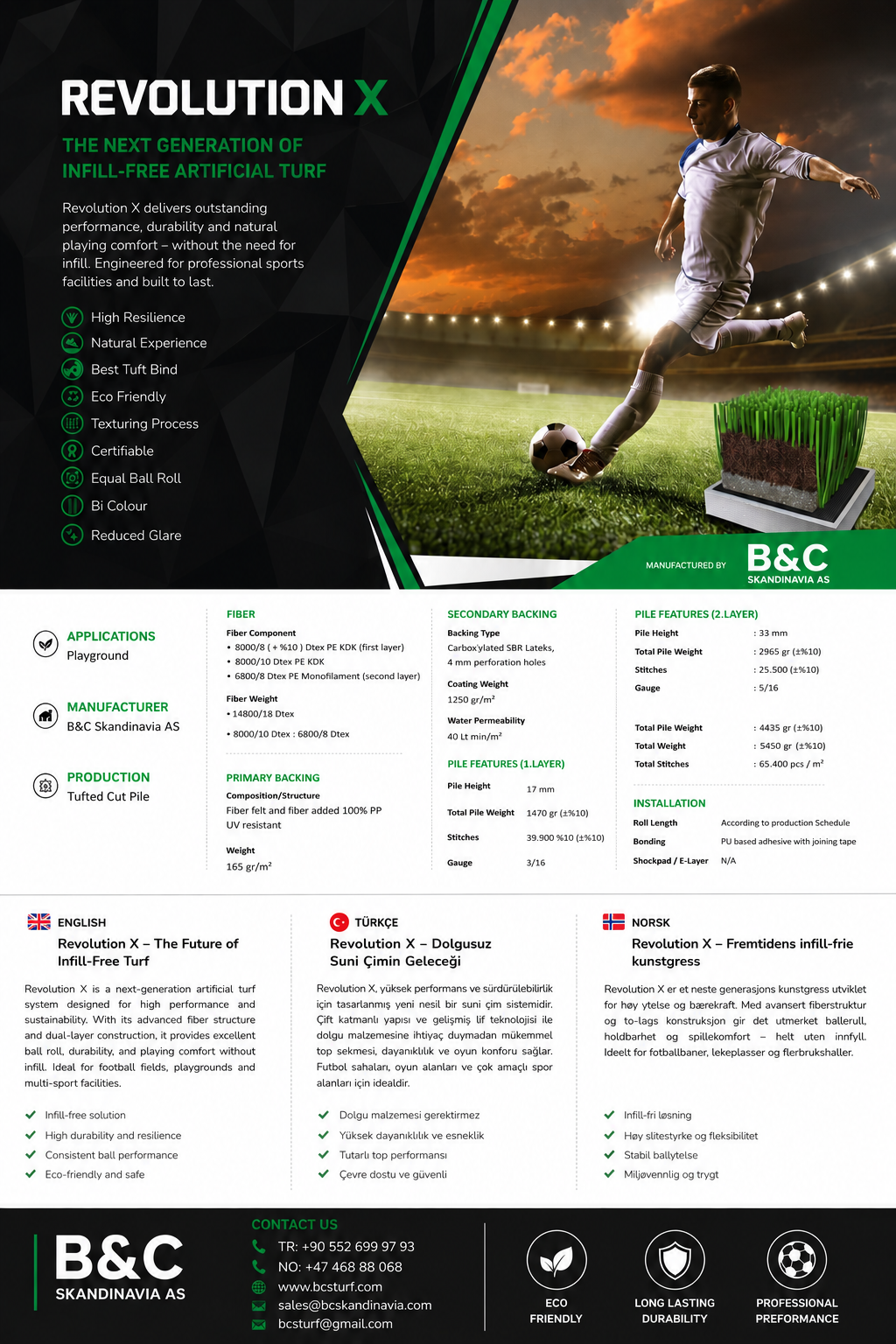
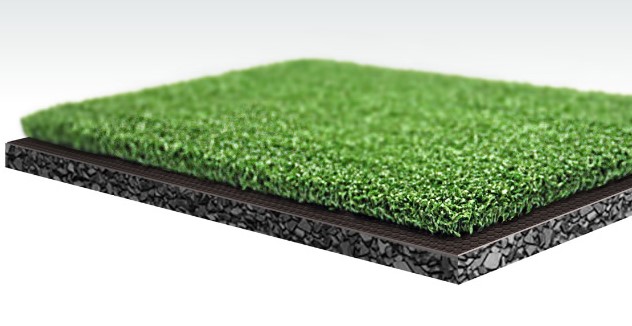
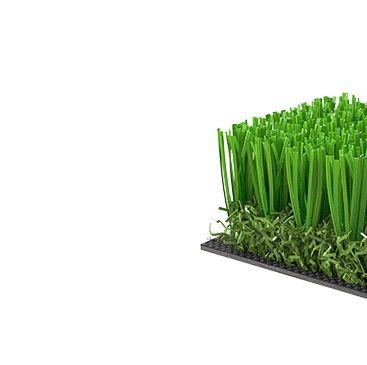
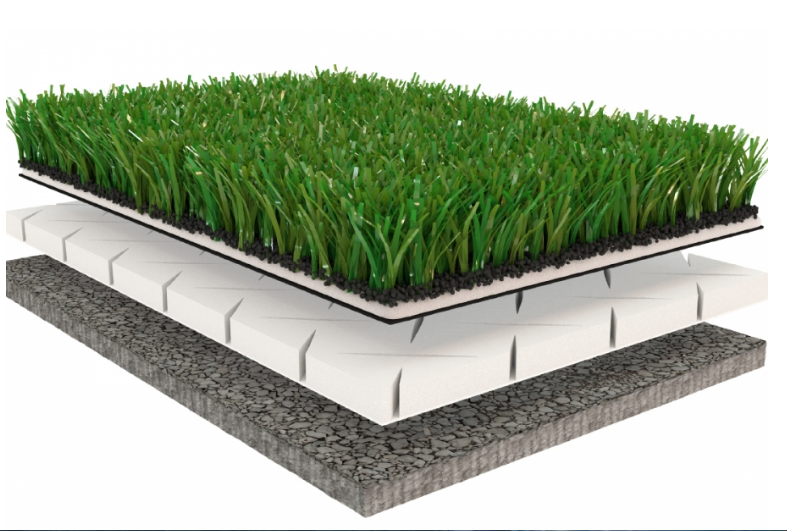
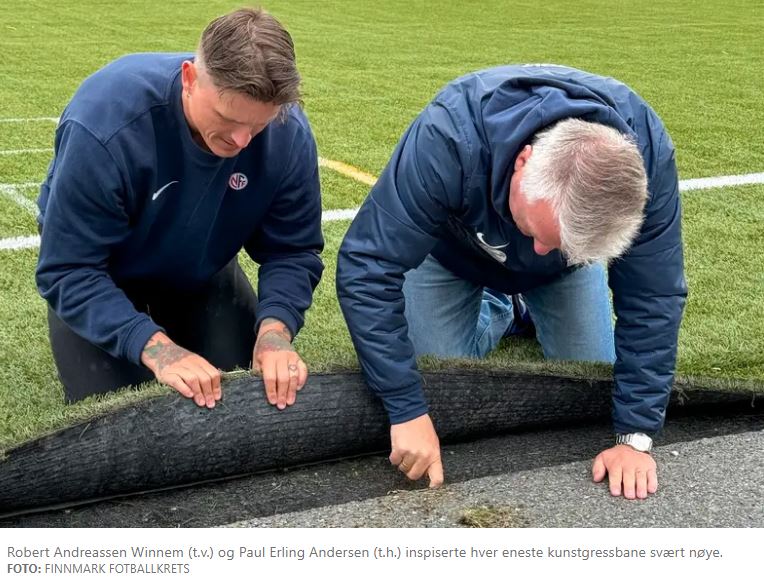
Polyethylene monofilament fibres are commonly used in football turf systems. Different fibre profiles, including V-shaped and diamond-shaped designs, can provide specific benefits in terms of fibre stability and playing characteristics.
Important factors include:
Fibre height and density.
Stitch rate and backing construction.
Wear resistance.
Shock absorption and player comfort.
Drainage performance.
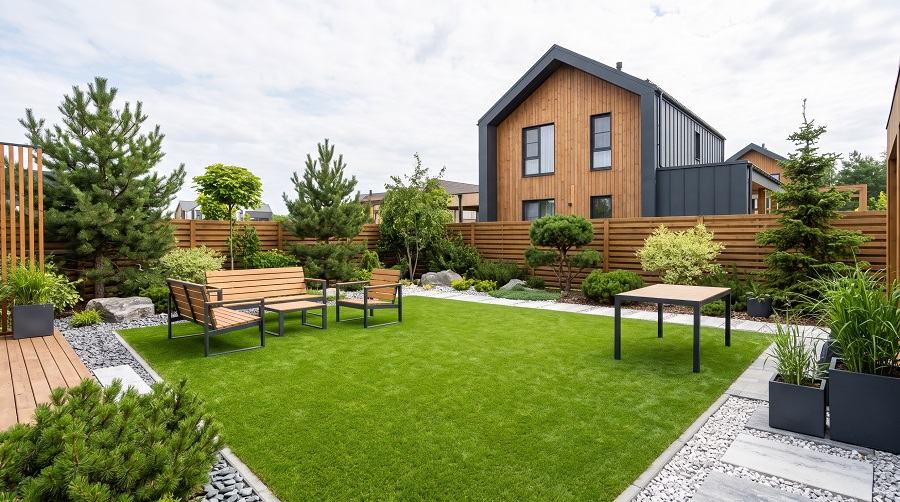
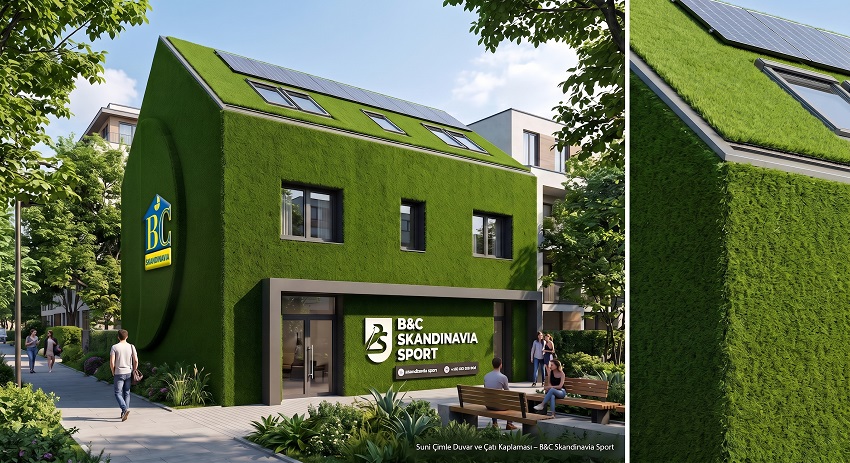
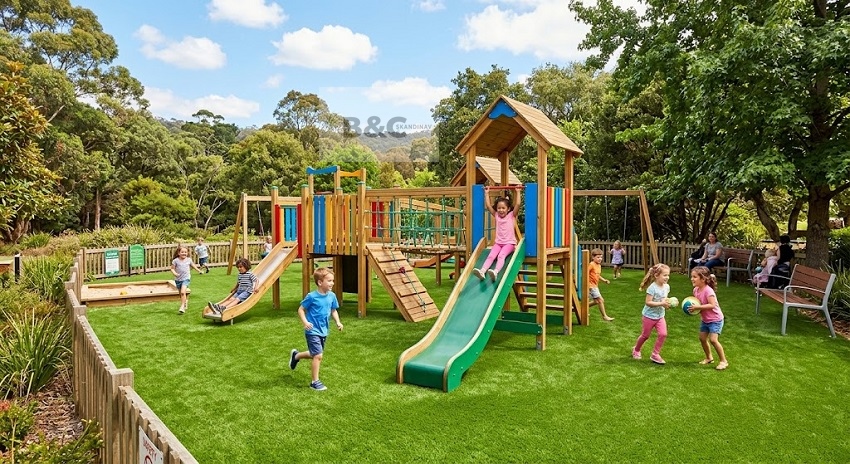
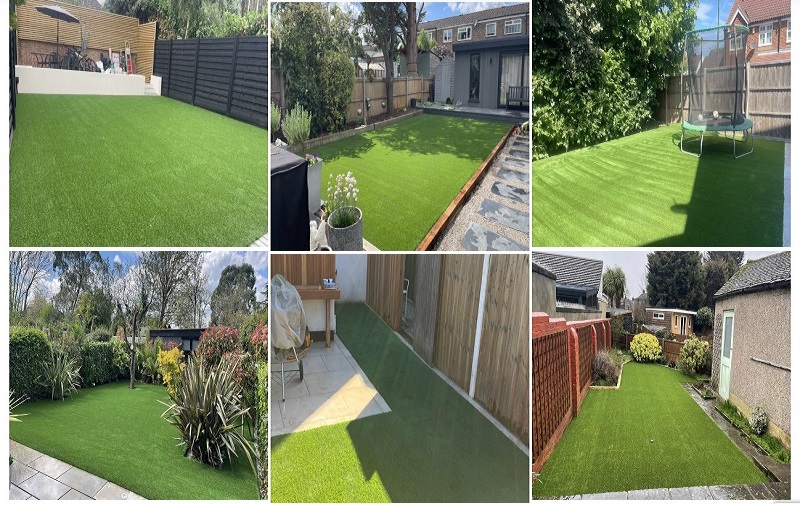
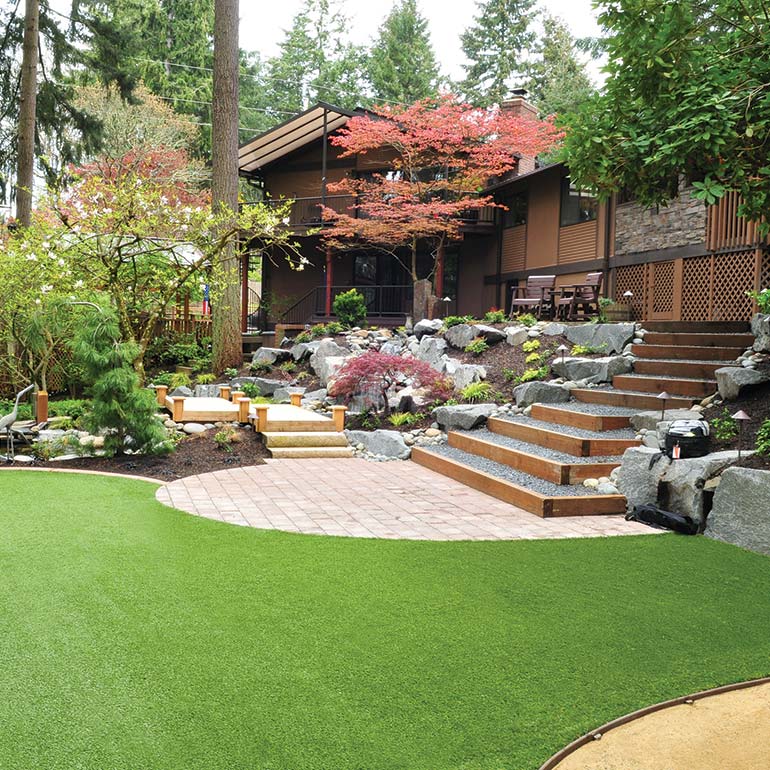
For landscaping projects, appearance and comfort are often the main priorities.
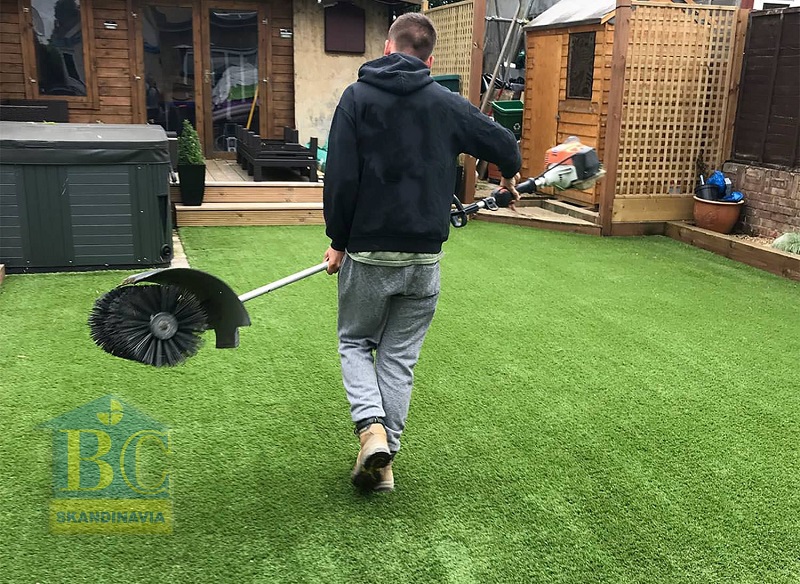
Artificial grass offers a practical solution for residential gardens, hotel surroundings, balconies, terraces and commercial outdoor spaces.
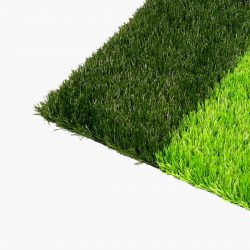
Combining different shades of green with curly support fibres can create a more natural-looking surface.
UV resistance, drainage and fibre density should also be considered when selecting a landscaping product.
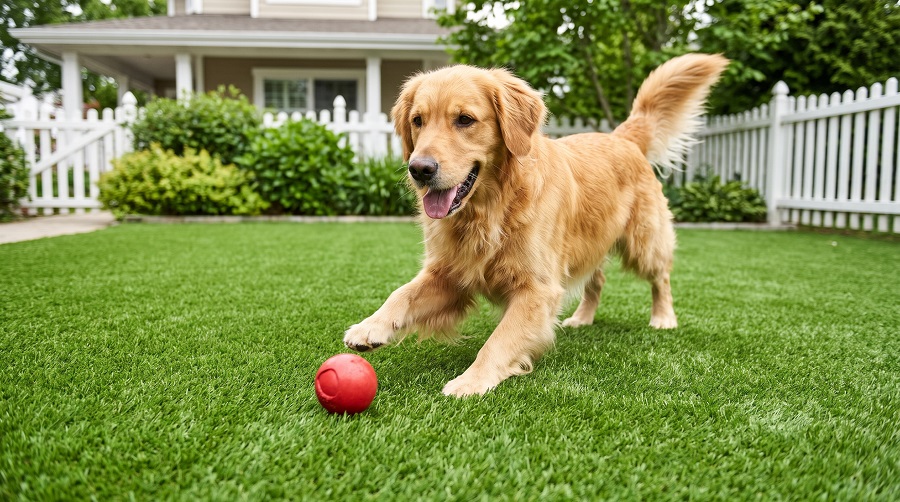
Artificial grass designed for pet areas should provide easy cleaning, effective drainage and a durable surface.
Dogs and other pets can place additional demands on outdoor surfaces, making product construction particularly important.
Recommended features include:
Efficient drainage.
Durable and flexible fibres.
Easy-to-clean surfaces.
Materials suitable for regular use.
Odour control depends on the drainage design, cleaning routine and any additional product treatments.
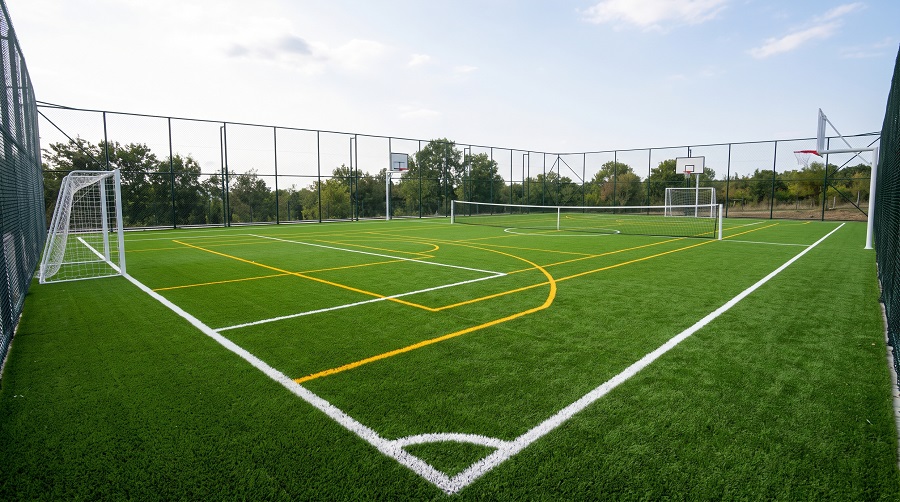
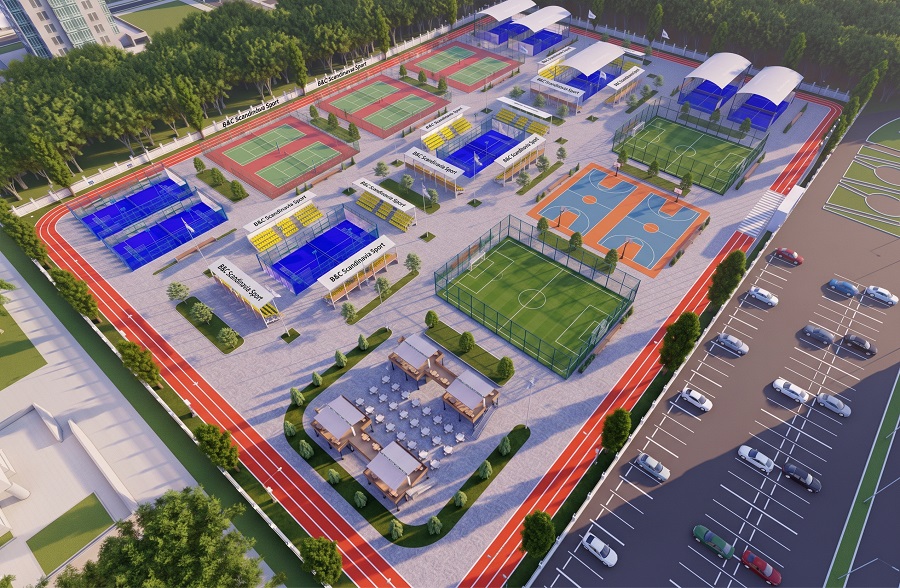
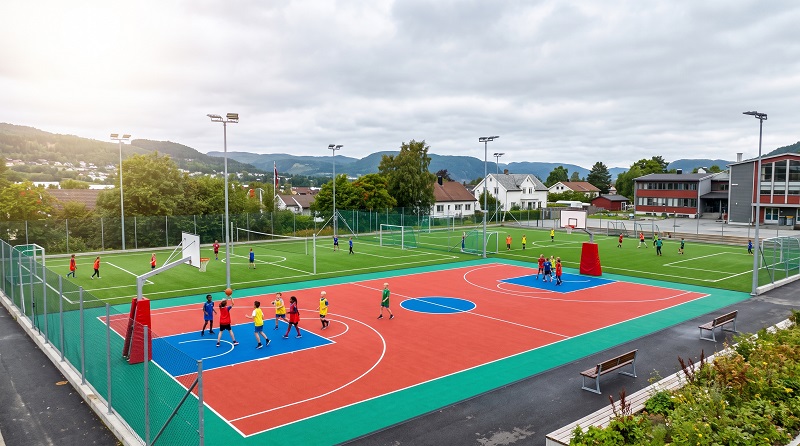
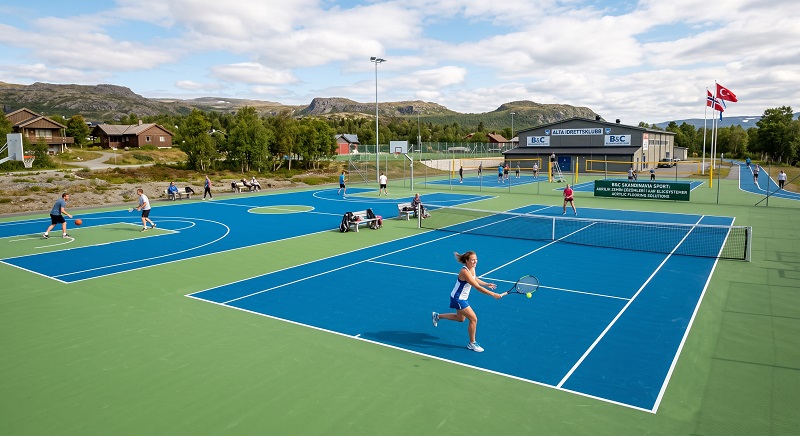
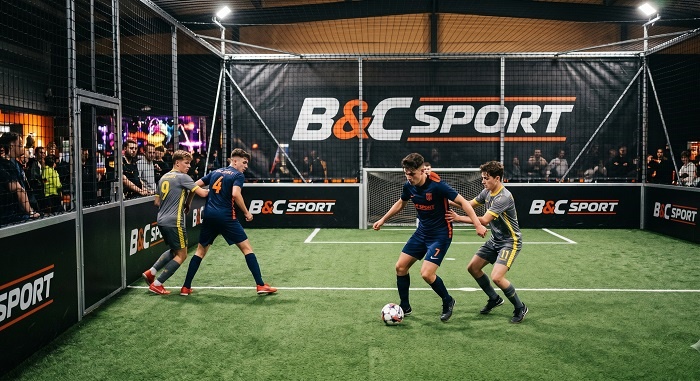
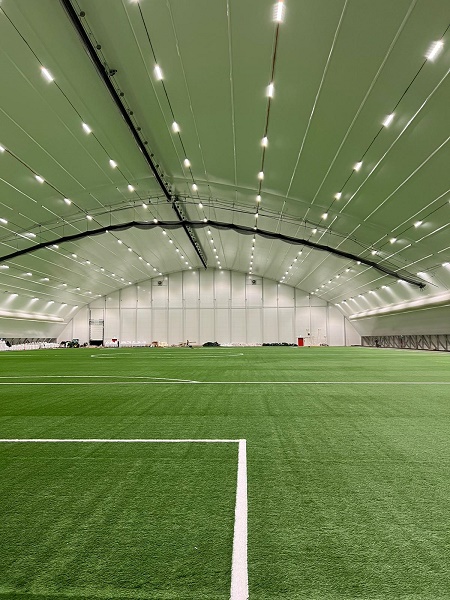
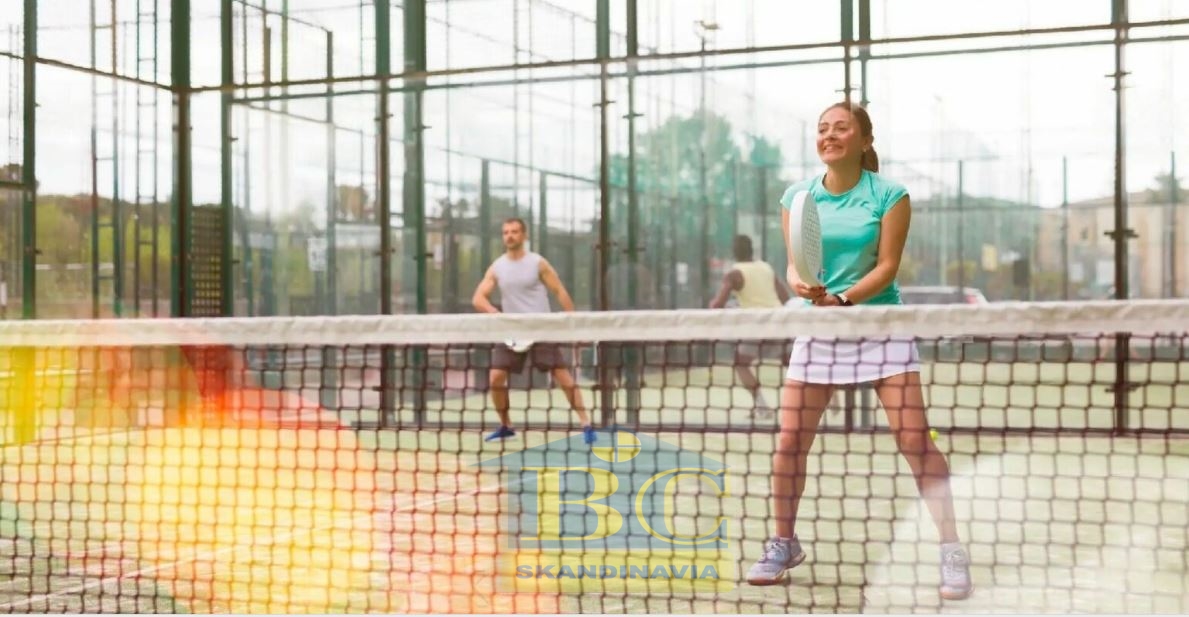
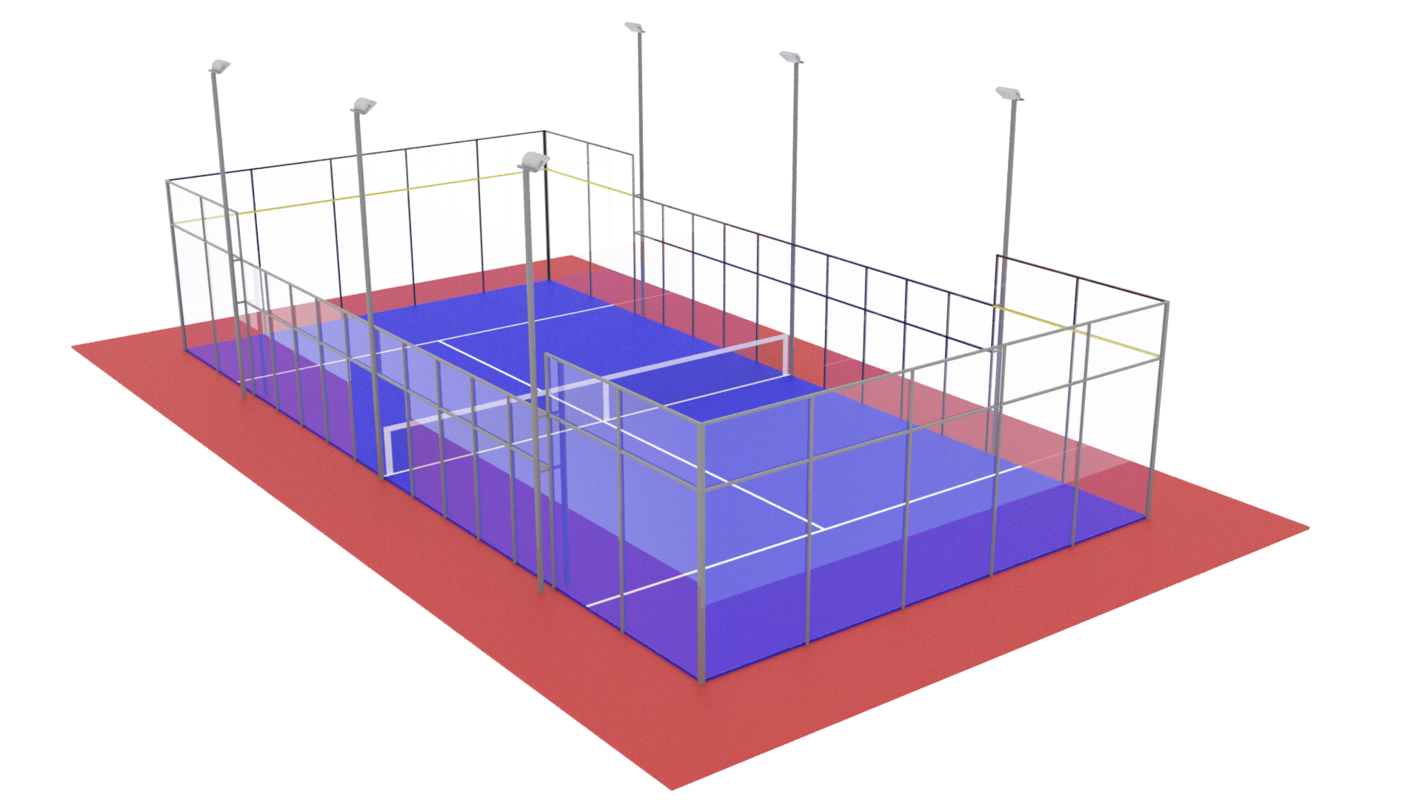
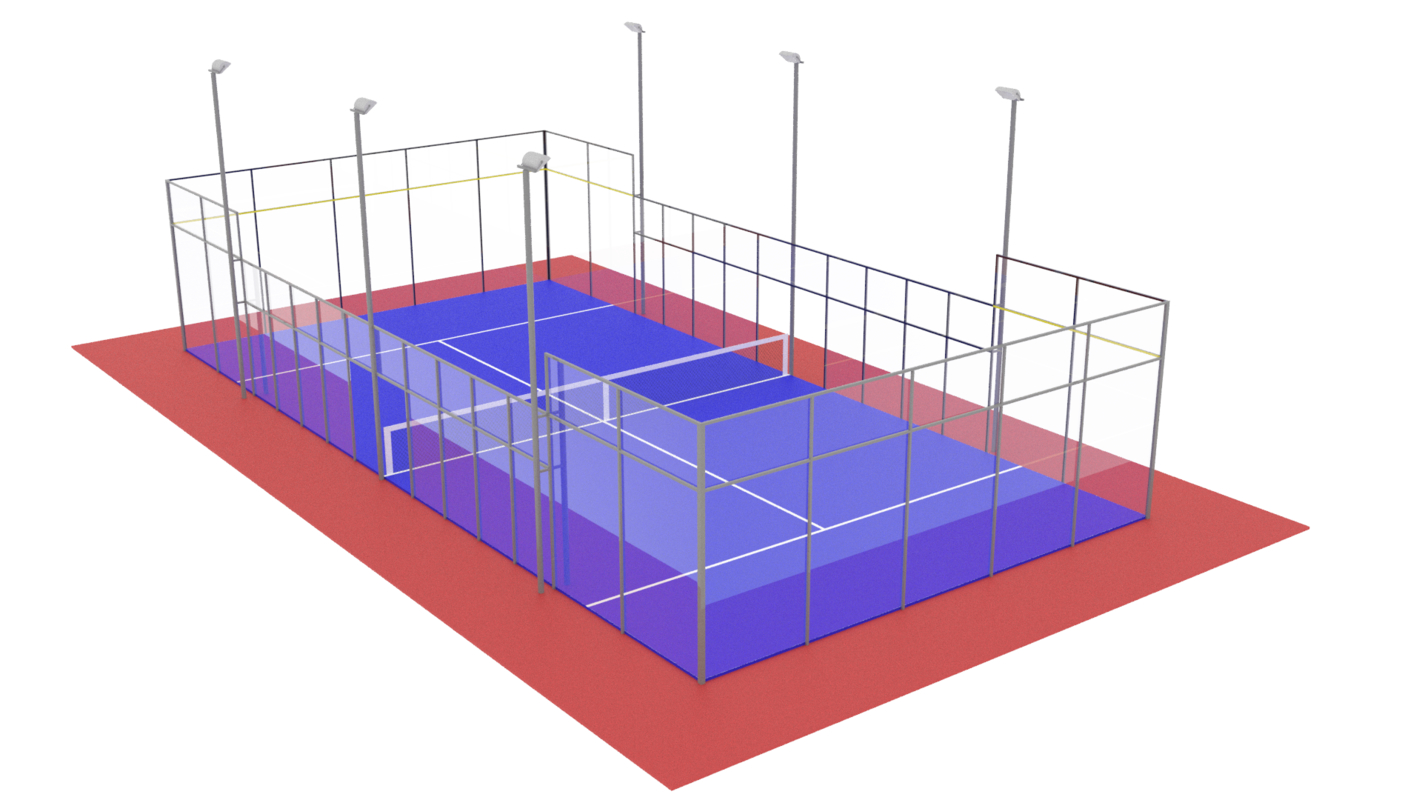
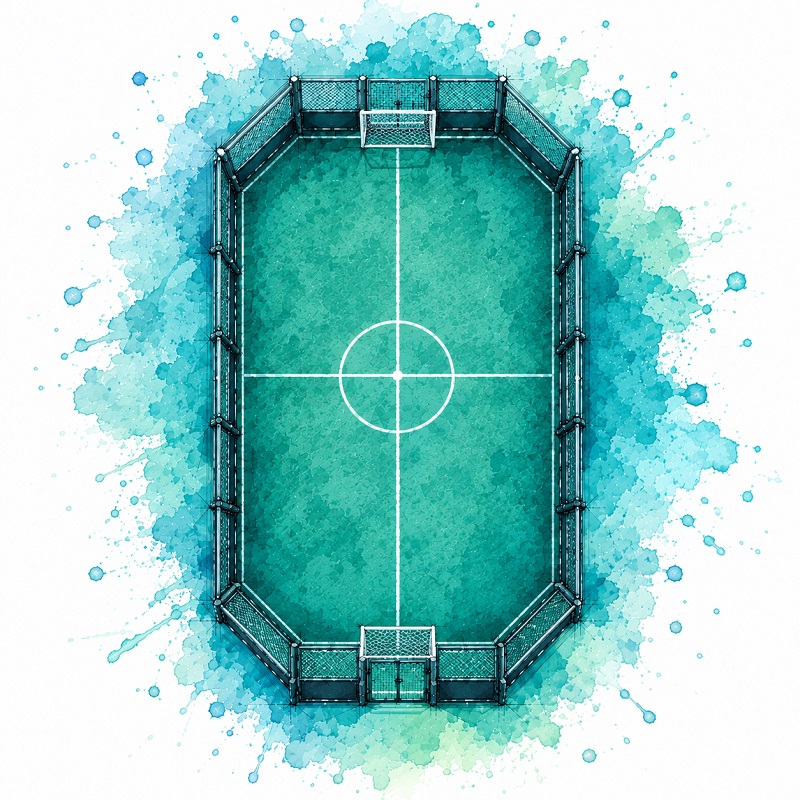
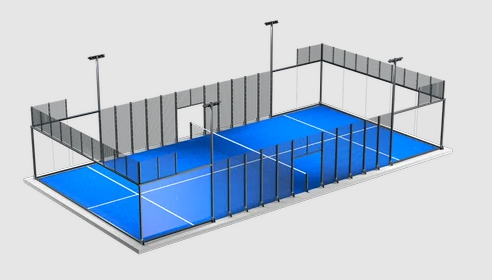
Multi-sport facilities require surfaces that are suitable for the activities taking place.
Durability, surface consistency and player comfort are essential considerations.
The artificial grass system should be selected according to the requirements of the intended sports and the expected level of use.
Selecting the right artificial grass involves more than simply choosing a colour or appearance.
Consider these important factors:
Intended application: Football, landscaping and pet areas require different product characteristics.
Material quality: Evaluate the polymer and fibre construction.
Fibre height: Select a suitable height for the intended use.
Drainage: Effective water drainage is particularly important outdoors.
UV resistance: Important for surfaces exposed to sunlight.
Maintenance: Consider the cleaning and maintenance requirements of the installation.
At B&C Skandianavia Sport, we understand that every project has different requirements.
A football field needs performance and durability, while a residential garden requires natural aesthetics and comfort. Pet areas and multi-sport facilities also have their own technical considerations.
Our aim is to provide artificial grass solutions that combine functionality, appearance and durability across different applications.
Choosing the right artificial grass helps create attractive, practical and long-lasting outdoor environments.
B&C Skandianavia Sport – Greener Spaces, Better Living.
Website: https://www.bcsturf.com